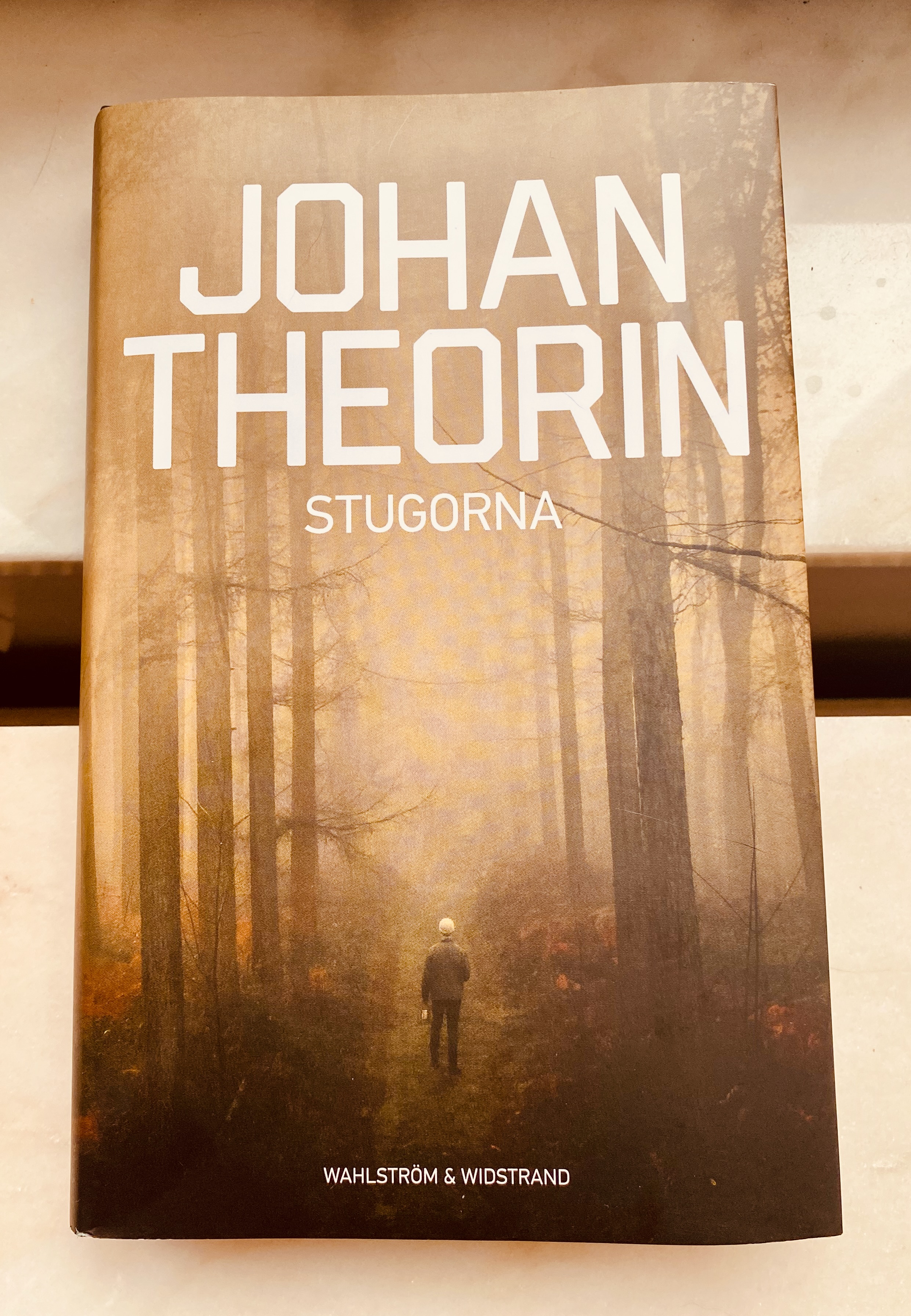
I usually read Swedish authors in Swedish, as I am doing with this one. I don’t read as quickly in Swedish as in English, but I prefer to read books in in the original language if I can. I think something – even something tiny – is always lost in translation, no matter how good the translation.
I am a translator, but I translate legislation and specialist texts within the defence, environment, labour market and GDPR areas. These texts are dry, factual, and very rigid. I would never be able to translate a novel and do it justice. I have always loved writing, right from when I was writing my own stories at the age of six, through degrees in journalism, English, and teaching journalism. But I am not a great writer. I am a good writer but I don’t have the talent to write a novel. I would get the specialist and cultural terms right in Swedish, but not the spirit of the book. My translation would be dead and dry. If you translate a novel, you have to achieve the exact tone, the atmosphere, characters and factual terms. That is why good and well-known translators can be credited on the front cover of a novel. Sadly, most translators don’t receive the credit they deserve.
When I read Swedish novels in English, I can tell if the person is writing for American or British readers, due to how they describe schools, the legal system, and how they spell. I can tell if the person is immersed in Swedish society by how they translated slang or cultural references. For example sverigevän directly translates as Swedish friend, but these days usually means a Swedish nationalist on the far right of the political spectrum.
I would imagine AI will do most – if not all – translation in the near future. But I hope that AI writing novels is a ways into the future. I would like to preserve the human heart in that at least.

I studied to become a translator and I also translated technical documents. I tried my hand at literary translation and that was not for the faint of heart… If you get into this business it’s very hard and becoming famous and respected is so rare! I was looking for a book originally written in English. I couldn’t find it in English, for some very strange reason but I did find it in French, so I got it in French. I later realized (before the book arrived) that this was not the style of books I was looking for. I decided to keep the book, read it and resell it. The French version was EXCELLENT! It made me love not just the book but the whole genre. The book will never leave my shelf, except to be re-read! Kudos to the wonderful translator who did such a brilliant job!