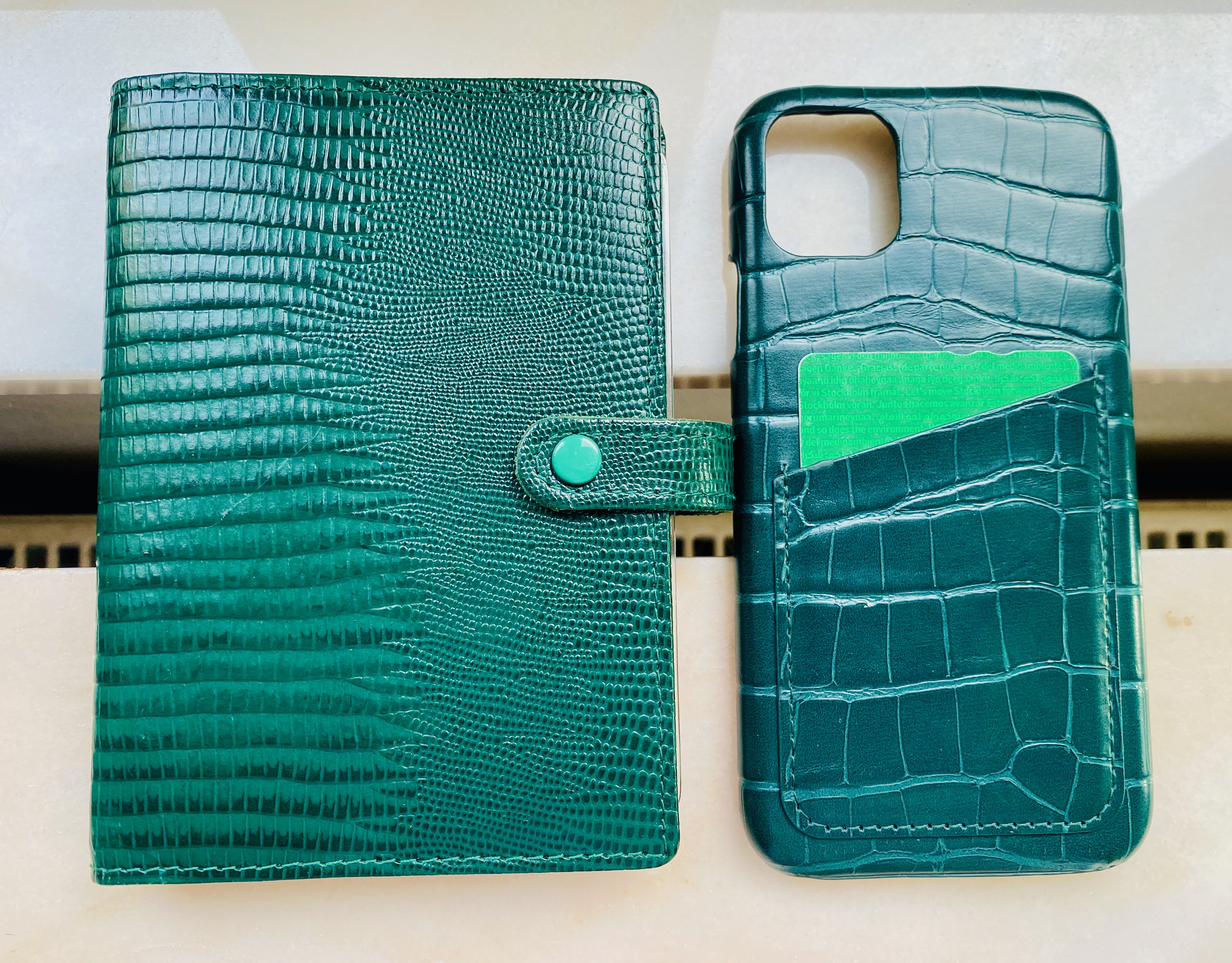
Over my many years, I have had some exotic skin Filofaxes and handbags – ostrich, stingray, crocodile and lizard. Ostrich leather is not regulated in most countries as it is a byproduct of the meat industry (I grew up in South African ostrich farming area), but I know you need import/export certificates for crocodile/alligator. This is to make sure these skins are sustainably and humanely harvested from registered sellers who fulfil all criteria. My Nile crocodile handbag came from a South African breeding programme and the money I paid for it went back into preserving disappearing crocodile habitats. No animals in this programme are killed for their skins. I have since sold that handbag and donated the money back to the programme. I have also sold my exotic Filofaxes.
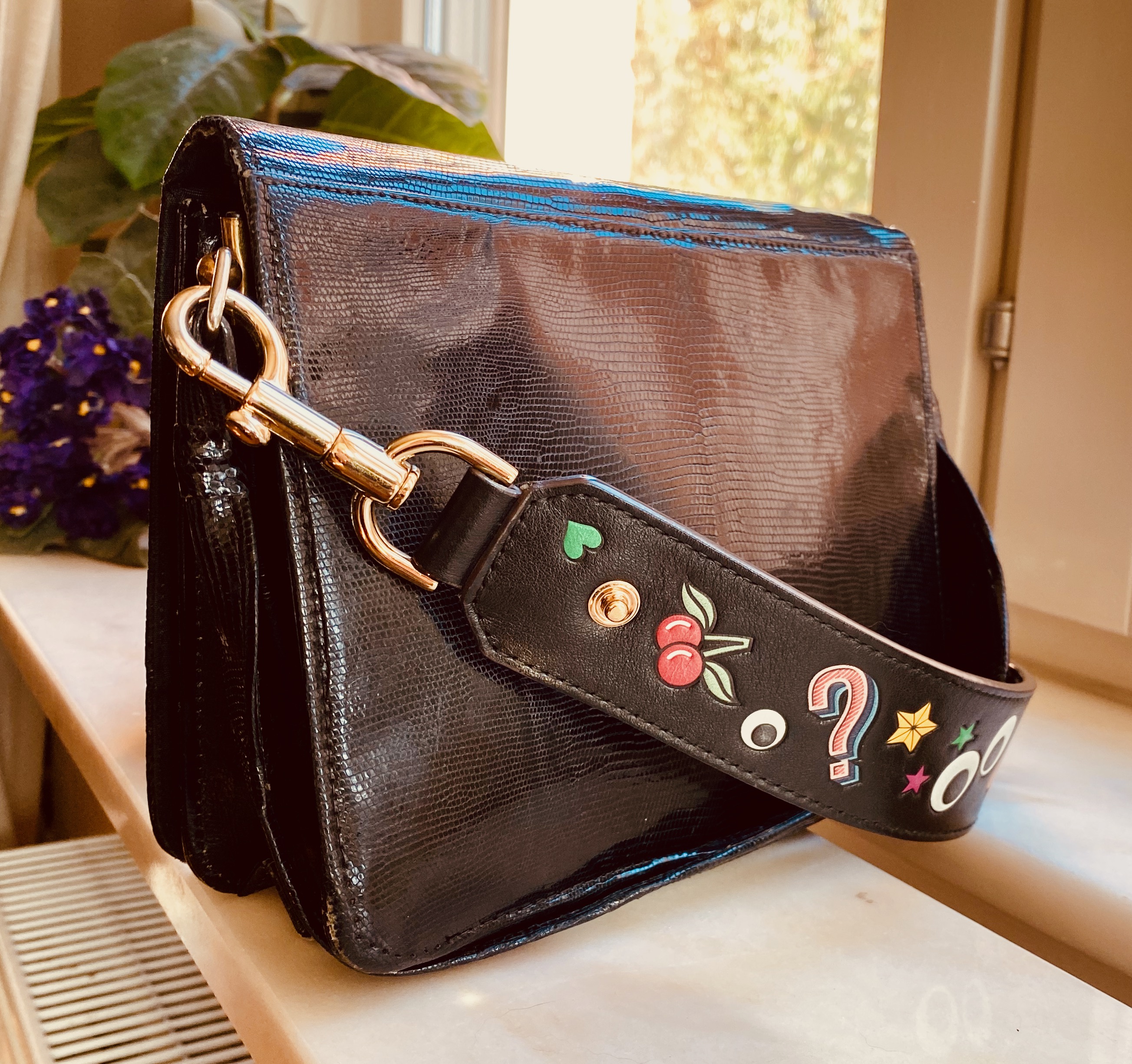
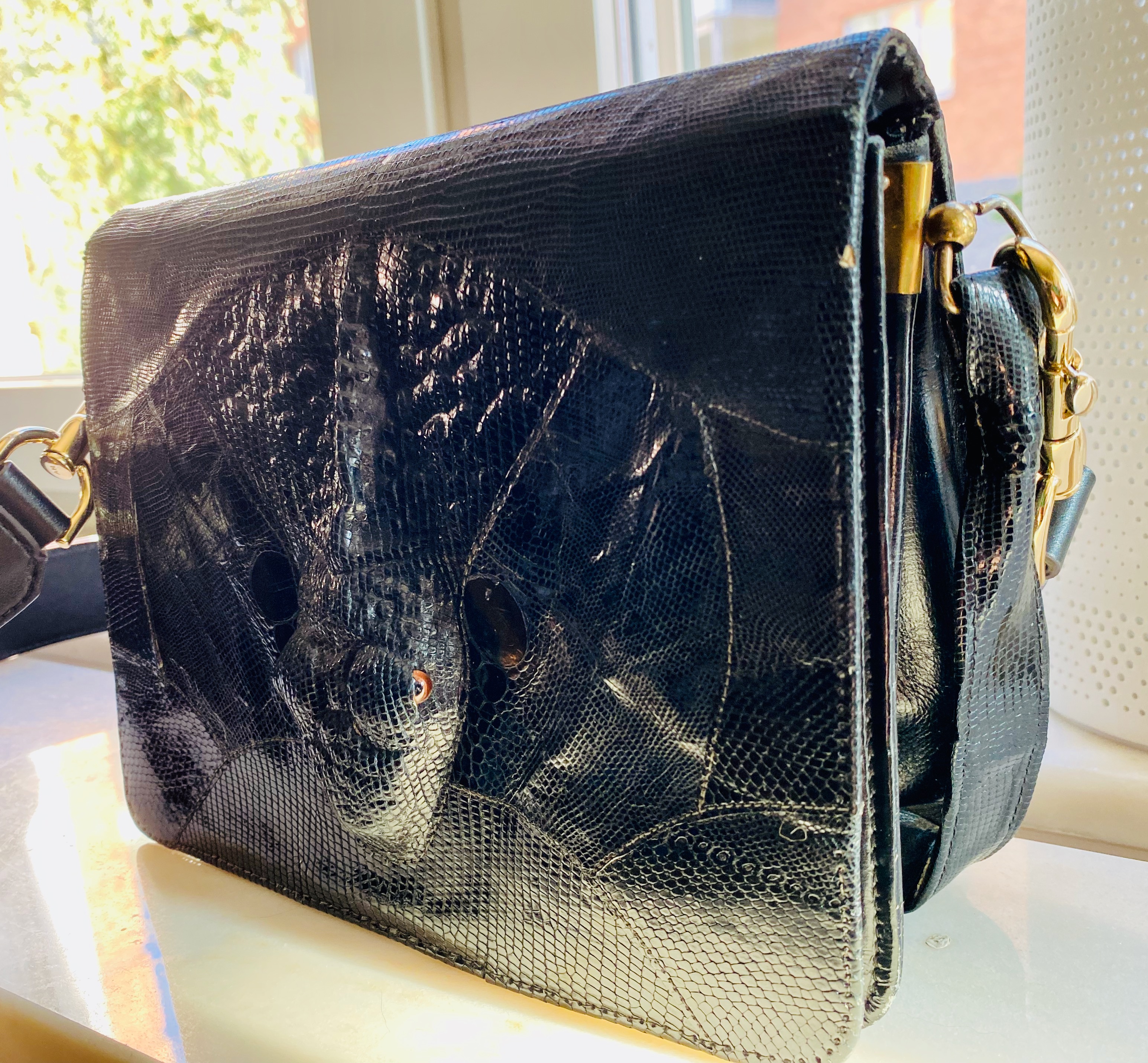
When it comes to the vintage market, people can and do buy skins that were made into items before the regulations came into force. The common opinion with that seems to be that if it is already out there, it would be okay to get as much use out of it as possible. I would never buy fur but I have bought a vintage snakeskin handbag. I am not sure how strictly snakeskin is regulated but I would not dare to cross borders with it. I really loved the style of it. It has been well-used and could be repurposed into the most amazing trifold notebook.
Looking at it, I would say it was made between the 1940s and 1970s. It is well worn and belonged to the seller’s grandmother. I paid $10 and donated $10 to Global Snake Conservation.

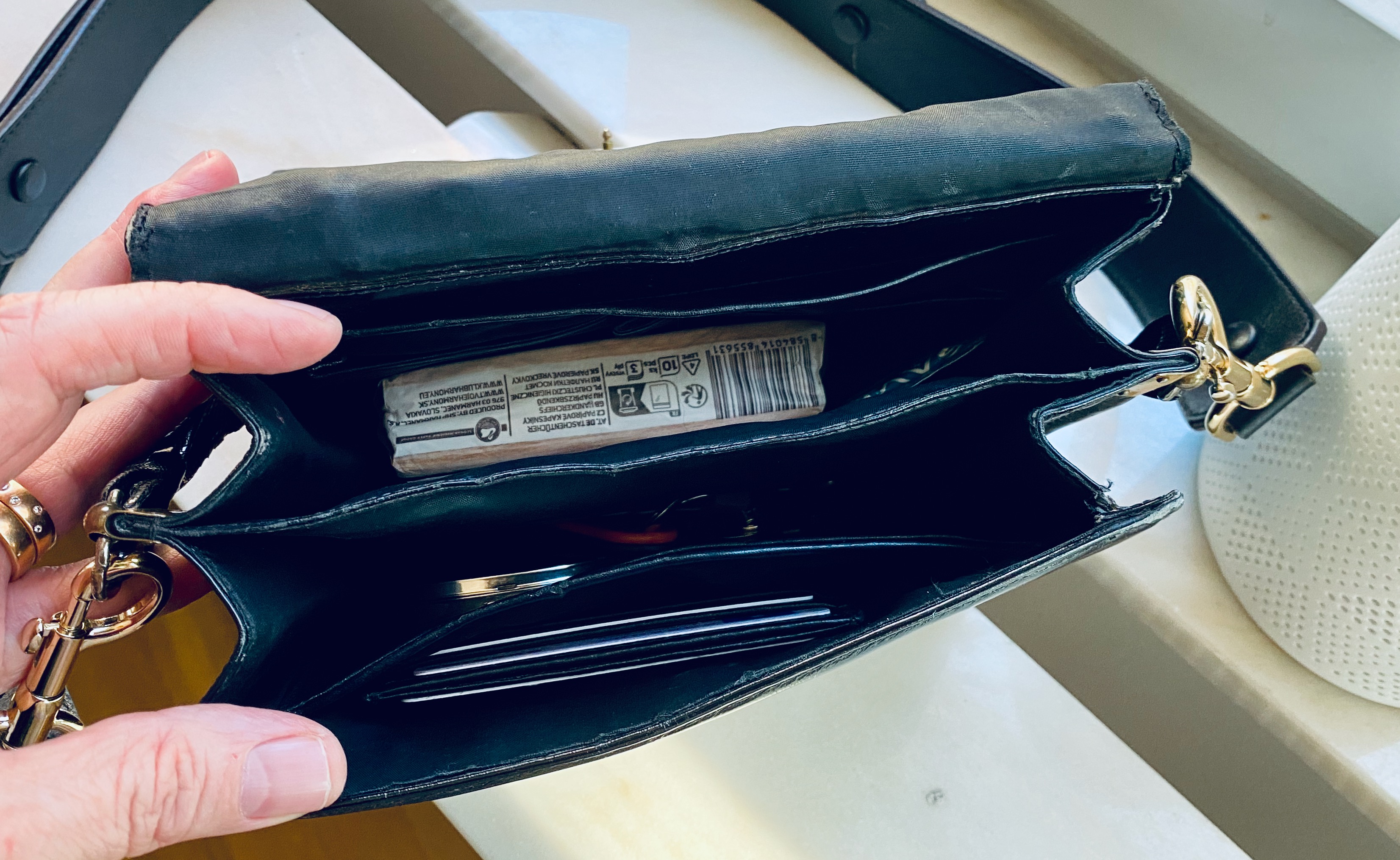
This bag is surprisingly roomy, with multiple inside slip pockets. My ‘exotic’ pocket Tejus and phone cover fit easily into the bag so it is perfect to carry for a light workday or trip into town. My umbrella and larger planner do not fit, though, so it is not suitable for a normal work day or a day with shaky weather.